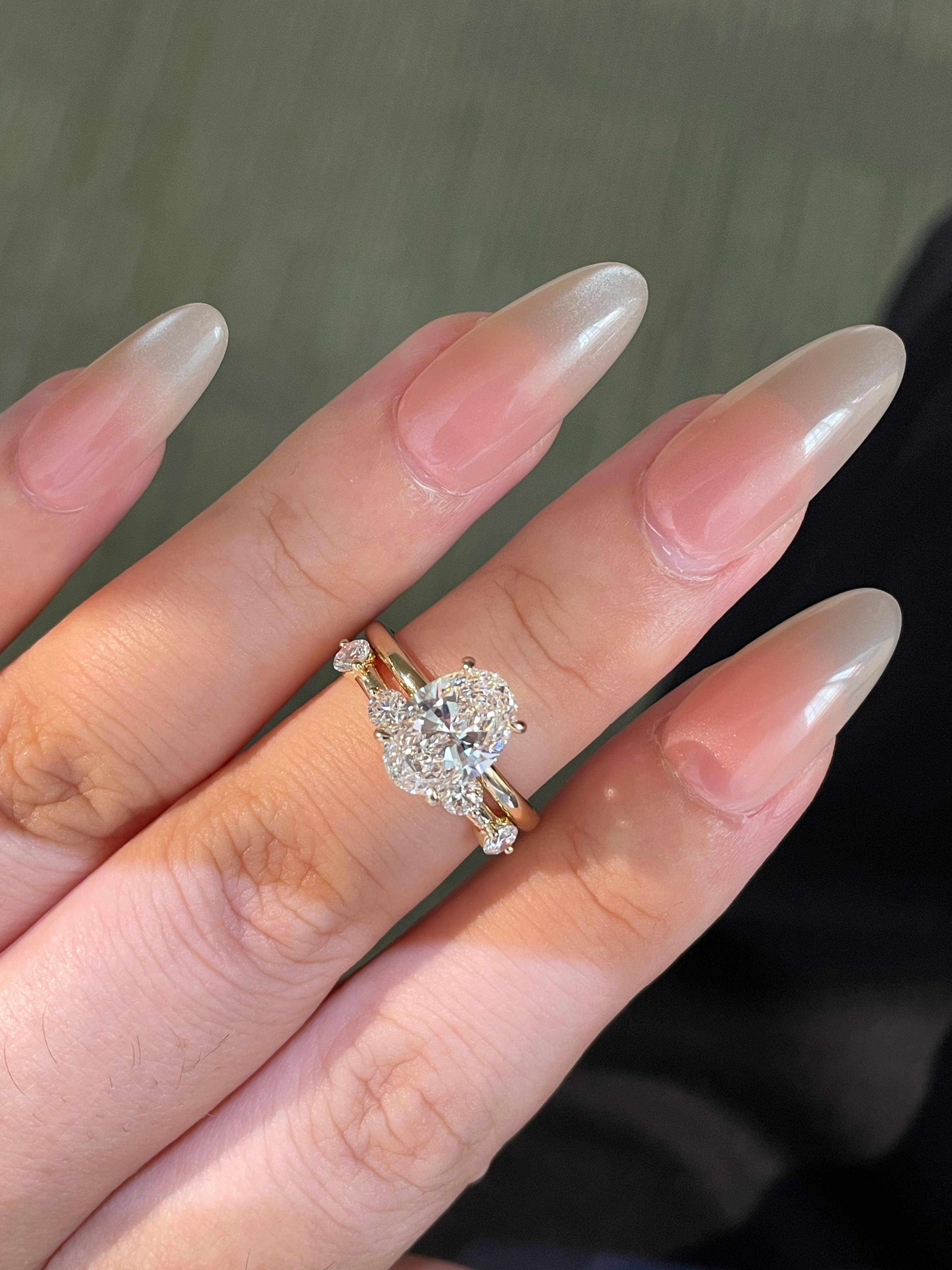
Direct from a real custom jewelry factory — CAD approval before production, private project tracking

Can Someone Make Jewelry From My Sketch?

Quick answer

Yes. A rough jewelry sketch can often be used as the starting point for a custom piece. We read the idea and proportions from your drawing, rebuild it as a manufacturable CAD model, and you approve the CAD before production. The final piece may differ from the sketch in ways we explain up front.

What a sketch needs to be workable

Factories turn down drawings for exactly one reason: the intent cannot be read. Artistic quality is irrelevant. Here is the honest line between “usable” and “we need one more conversation”:

Already enough

  • The overall silhouette — band shape, pendant outline, where the stone sits
  • One front view, even with wobbly lines
  • Labels or arrows for what matters (“twist here”, “this part in gold”)
  • A photo of your hand or neck for scale context

We will ask one follow-up

  • Two elements that overlap with no indication of what is in front
  • A side view that changes the piece fundamentally (high dome vs flat)
  • “Same as the picture but different” moments — normal, solved in one email

Notice what is not on either list: proportions being perfect, lines being straight, knowing jewelry vocabulary. A CAD designer’s job is precisely to translate intent into geometry — the sketch only has to carry the intent.

Six kinds of drawing we work from every week

“Sketch” covers a surprisingly wide range of inputs. These are all normal ways to start — pick the one closest to what you have, in the honest order of how often they arrive at this factory:

A napkin or notebook doodle

The most common start. Quick lines actually carry strong intent — you drew the shape you wanted, not the shape you were told to draw.

A careful hand drawing

Great. If you added measurements or notes, we use them; if you did not, we ask only the questions that block CAD, never a homework assignment.

A digital drawing or tablet sketch

Imports cleanly into the CAD workspace, so proportions often survive the first read-back almost untouched.

A photo of a piece you own

Resized, restoned or reworked into something new. We treat the photo as one input among many, not a mold to copy.

A child’s drawing or a memory

Turned into an engraved or cast motif constantly. The emotional read matters more than the line quality, and we protect both.

An AI-generated image

Fully usable — with one caveat we raise before casting: AI loves floating parts and hairline prongs that metal cannot hold, so it gets a manufacturability pass first.

The seven things we read before we draw

Most customers already hold a fixed picture in their head — a memory, a reference photo, an AI render they fell for. We do not open the CAD software the moment your image arrives. We run seven checks across it first, because when a piece comes back “almost right,” it is almost never one big mistake — it is seven small ones stacked up. Miss each by a little and the result feels far from the image you carried in.

Shape

The silhouette: band curve, pendant outline, the cut of the stone. It is the first thing the eye judges and the hardest to fake.

Color

Metal tone and alloy, gemstone hue, enamel or resin color, the warmth of a finish. Color decides whether a piece reads as the one you pictured.

Angle

How a stone tilts, how light meets a facet, the cant of a motif. Move the angle and the whole character moves with it.

Proportion

The relative size of everything — stone against band, motif against field. Proportion is what “looks balanced” actually means.

Size

Real wear dimensions: ring size, chain length, millimeter truth. A drawing has no scale; something you wear does.

Thickness

Section and gauge — the castable minimum, what supports a stone, the heft in your hand. The gap between a drawing and an object lives here.

Position

Where the stone sits, where engraving falls, where a bail attaches. A one-millimeter shift in position can undo the intent of a whole design.

Running the seven in our heads before touching the model is how we aim to get it right in one pass — and when it does need changing, small changes rather than a redesign. If a piece ever starts drifting toward a loop of endless revisions, the honest move is not to keep shaving one detail at a time: it is to step back to the seven points and rebuild the CAD from a corrected read. That is why the read-back you receive already reflects all seven, not just the outline.

What happens after you submit a sketch

  1. 1

    Read-back

    We redraw your sketch as a first CAD draft — our interpretation, made visible instead of assumed. Silhouette, proportions and the placement of everything you drew.

  2. 2

    Manufacturability notes

    The same review flags anything metal cannot do as drawn: sections too thin to cast, stones that need claws not glue, shapes wax cannot release from a mold. Each gets a proposed fix, not a rejection.

  3. 3

    Estimate against the model

    With a real 3D model, weight is calculated, not guessed — that is when your estimate becomes an actual number with an actual basis.

  4. 4

    Your approval

    You review front, side and top views and request changes inside the approved scope. This loop is the heart of the process: revisions are cheap here and expensive anywhere later.

  5. 5

    Production with visibility

    Approved CAD goes to prototyping and casting; from your private project link you follow wax, cast, setting, polish, QC photos and shipping as they happen.

One honest word on timing: steps 1 to 3 happen fast because they are only drawings and emails — a first read-back usually returns within a working day or two, and nothing is committed until you approve it. Steps 4 and 5 are where real calendar time lives, because casting, stone setting and finishing cannot be rushed without hurting the piece. We publish day-count ranges only once they are confirmed against finished orders, so for now the accurate answer is “your estimate comes with the approved CAD, and the timeline comes with the estimate.”

Two sketches that became real jewelry

Both started as customer drawings and photos, not design files. Each card shows the original input, the CAD that was approved, and the finished piece — plus the one manufacturing problem each sketch created:

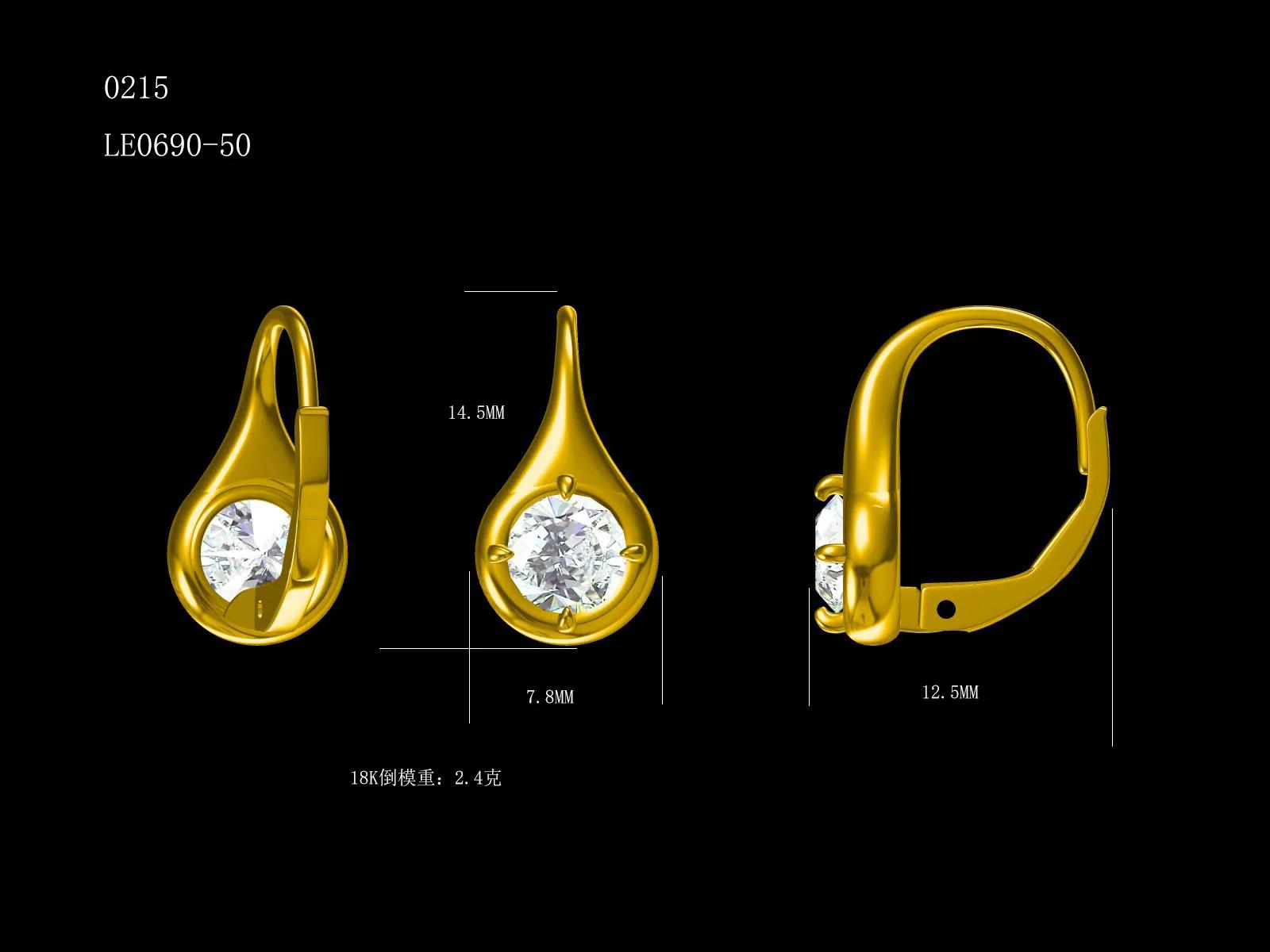
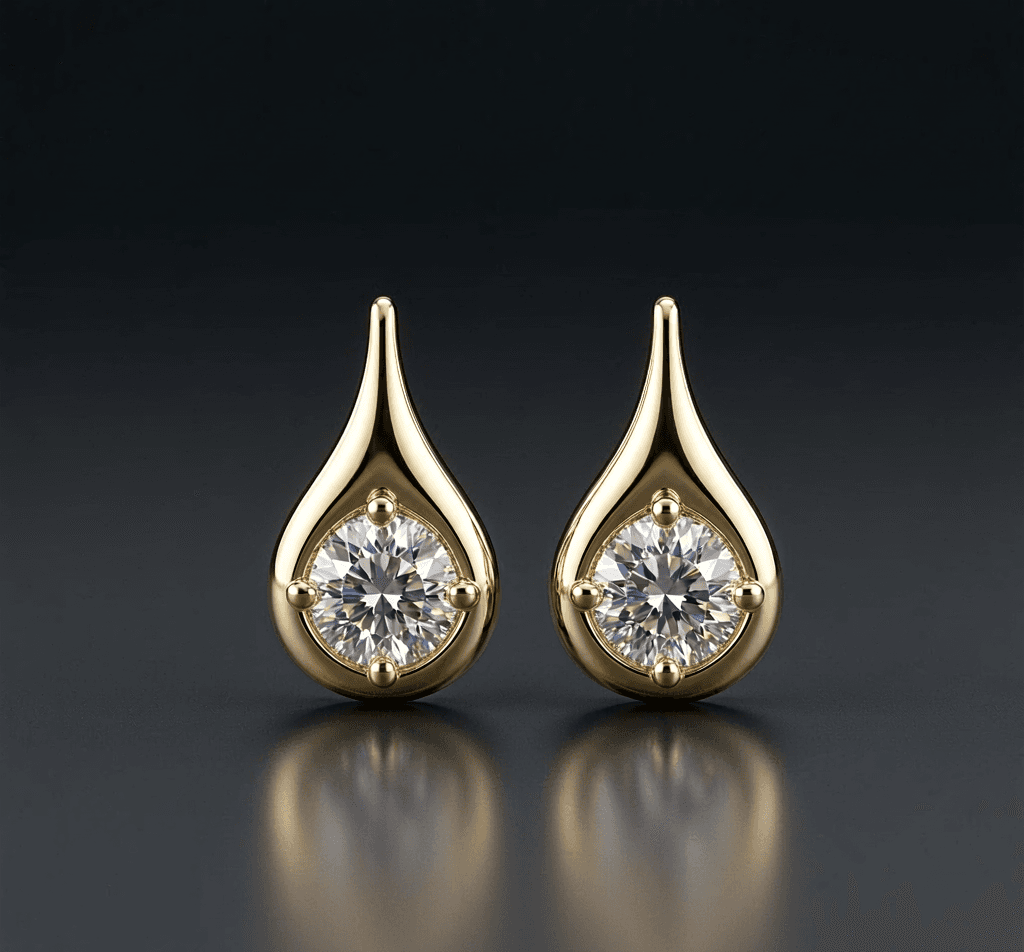
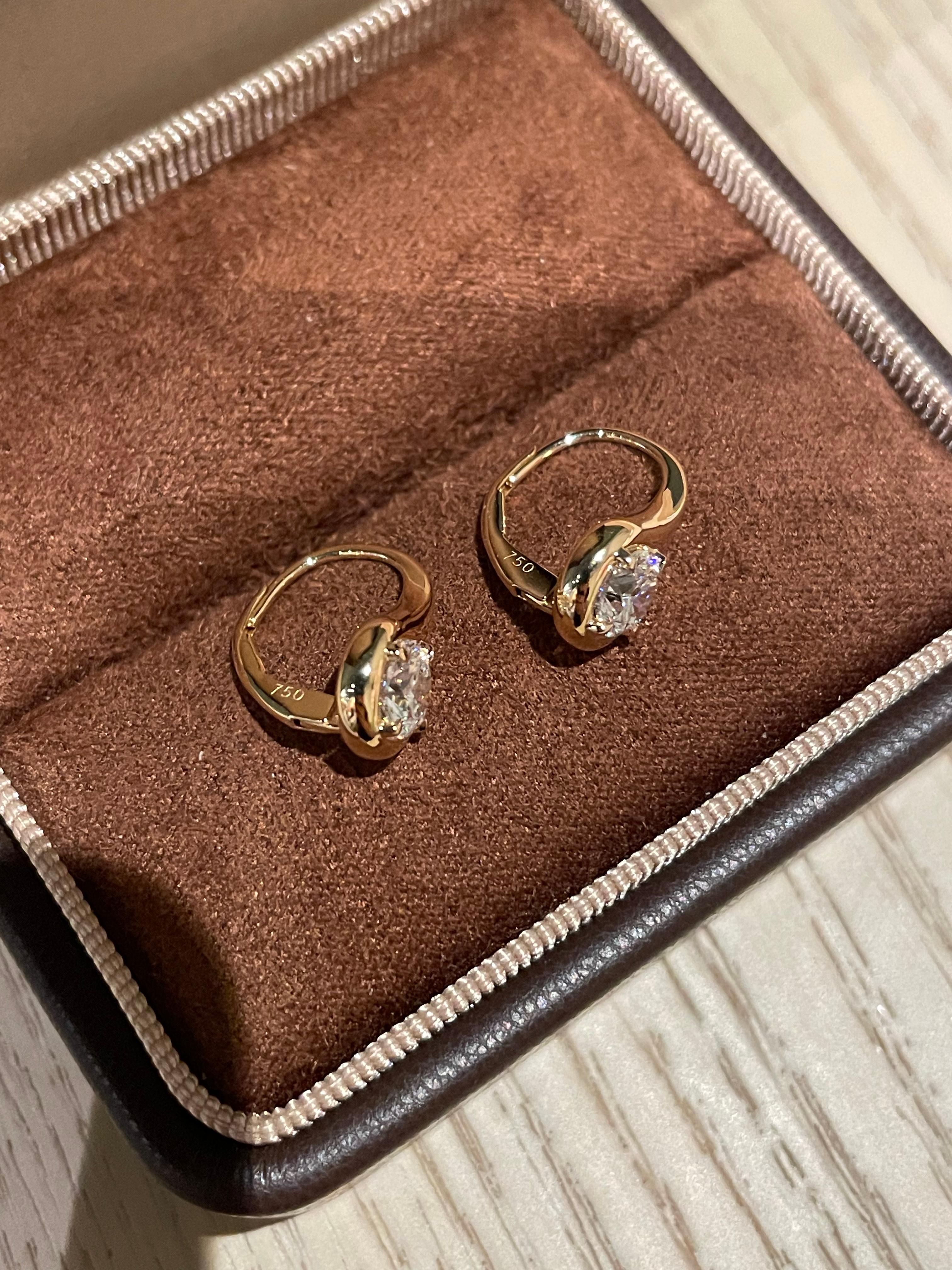
CASE-005Hand sketch → real pieceEarrings

Matched pair: hand sketch to a mirrored drop-earring set
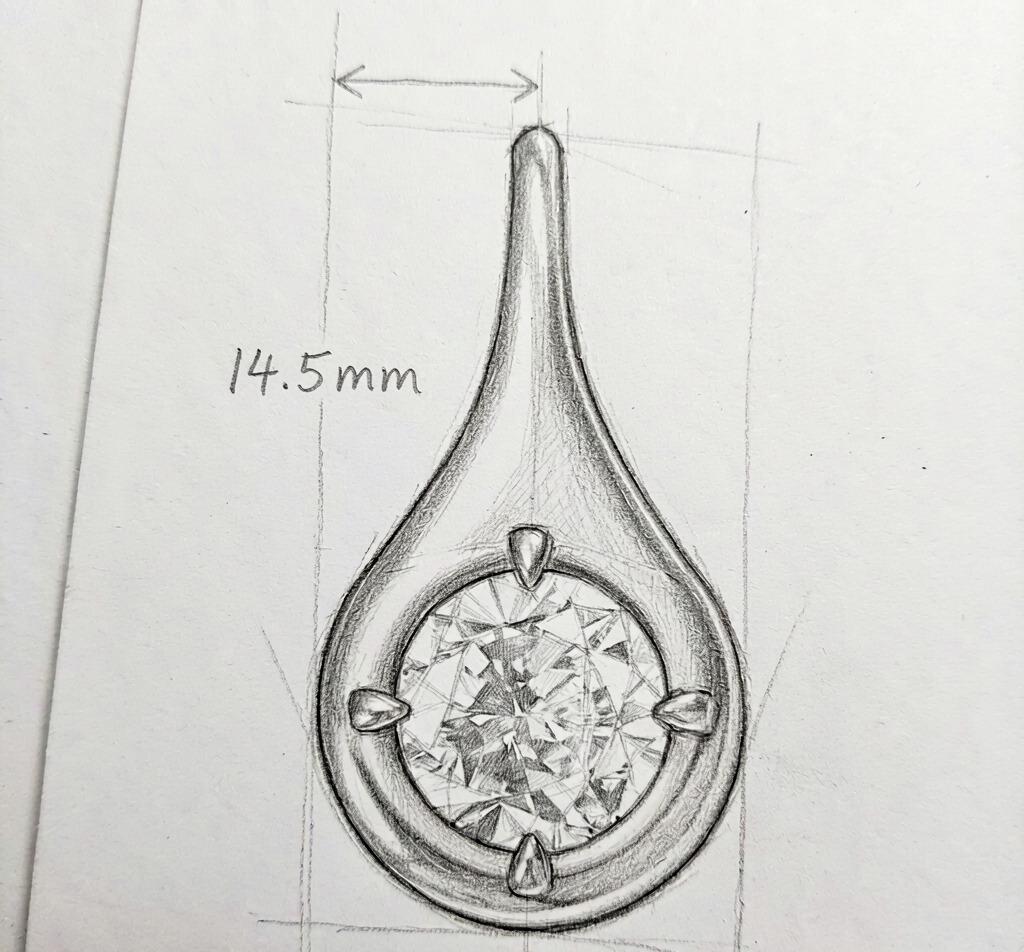
CASE-005 customer sketch — original input
1 · Your input (sketch)
CASE-005 CAD design render
2 · CAD — approved before production
CASE-005 3D realistic render preview
2.5 · 3D realistic preview ↗
CASE-005 finished jewelry real photo
3 · Real finished piece

Finished piece · video

The manufacturing problem: The customer sketched a single earring, but a pair has to mirror exactly and hang level. We modelled one drop, mirrored it about the post axis, and moved the mass below the post so both earrings sit square on the ear instead of tilting forward once worn.
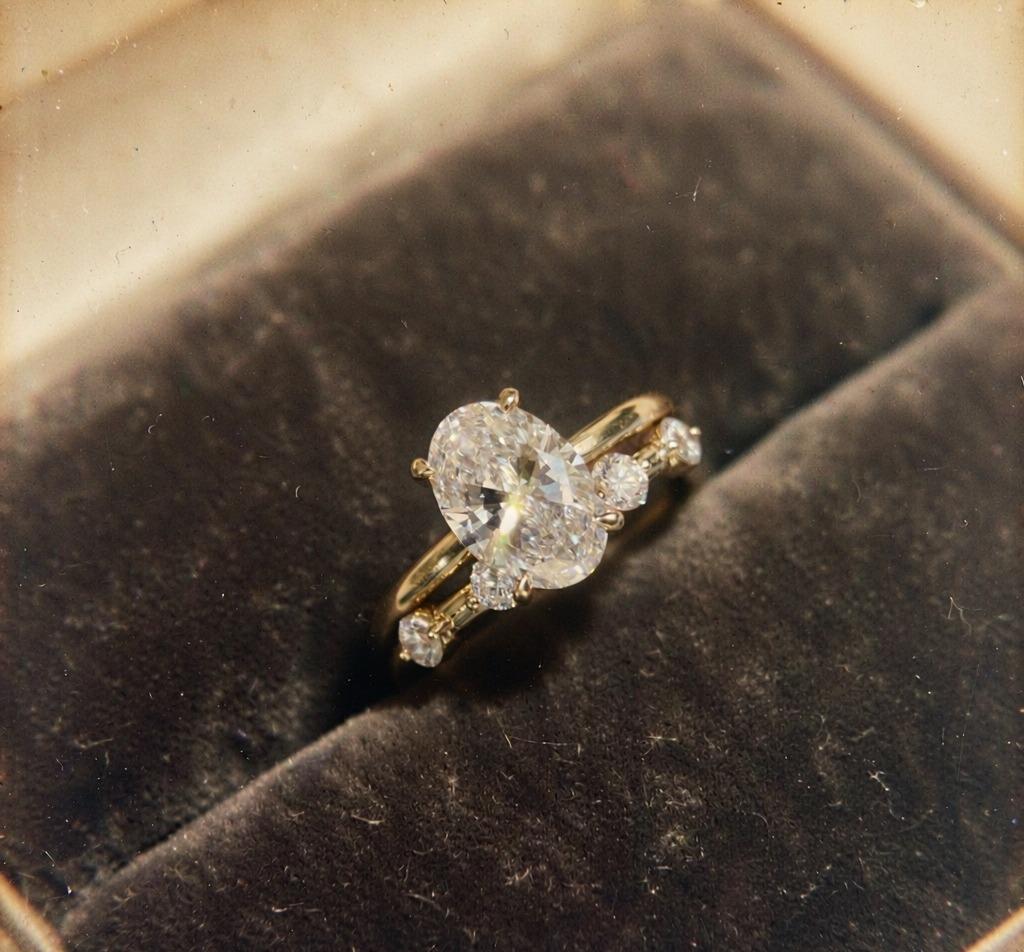
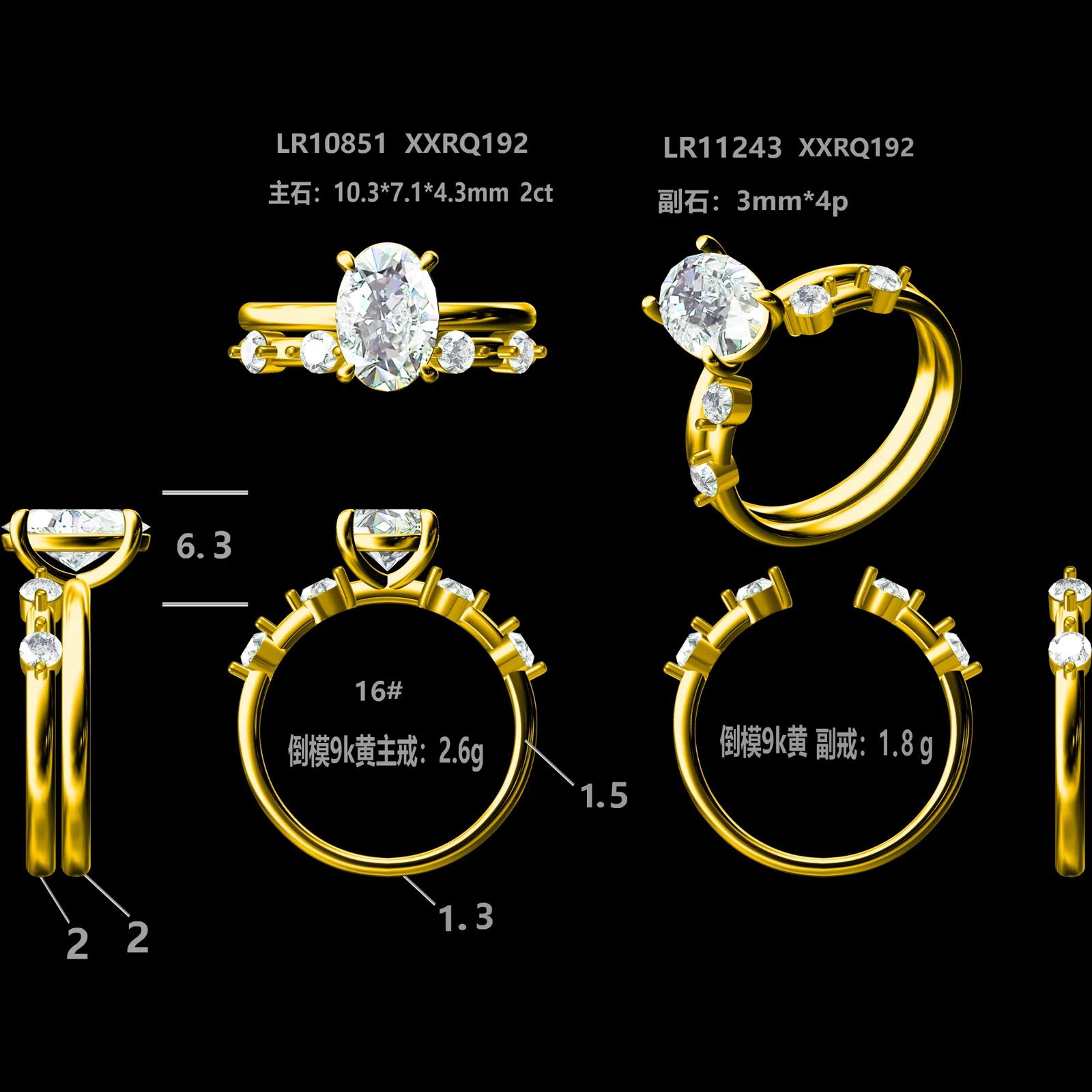
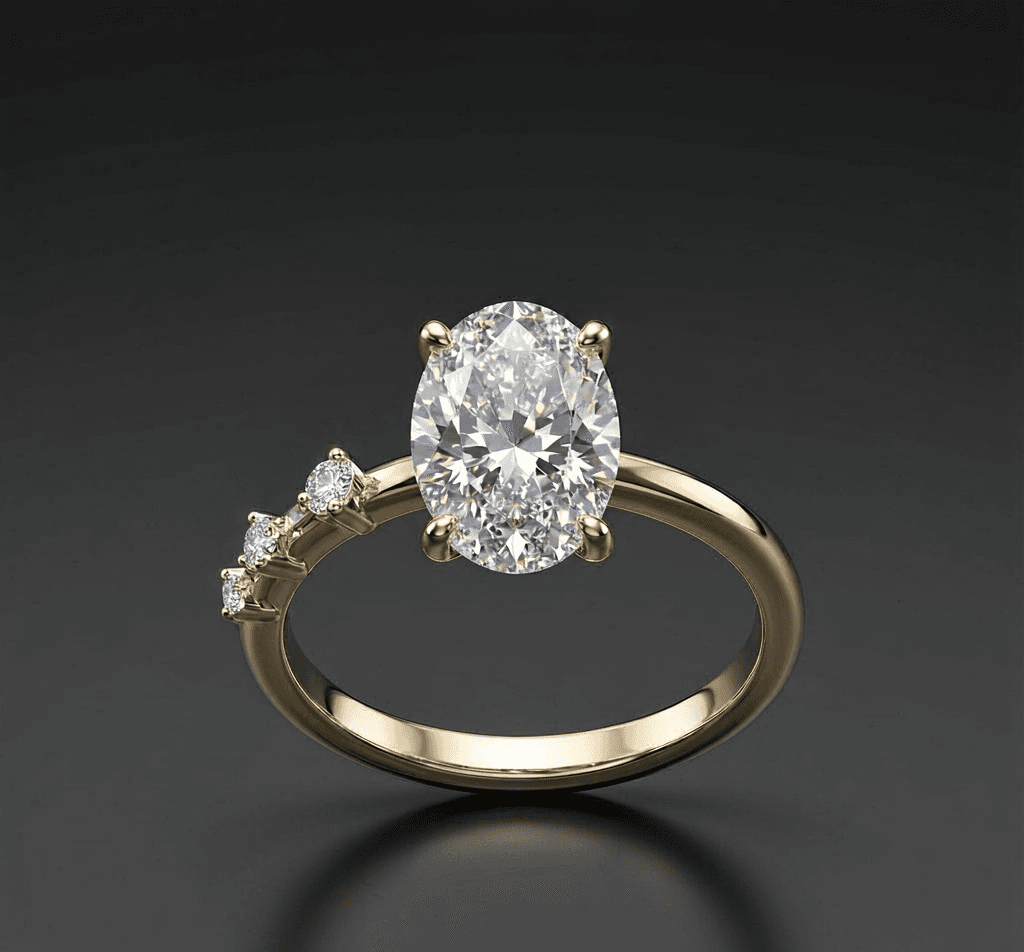
CASE-002Reference photo → real pieceRing

Oval engagement ring: a reference photo to a 9K gold rebuild with matching band

CASE-002 customer reference image — original input
1 · Your input (reference image)
CASE-002 CAD design render
2 · CAD — approved before production
CASE-002 3D realistic render preview
2.5 · 3D realistic preview ↗
CASE-002 finished jewelry real photo
3 · Real finished piece

Finished piece · video

The manufacturing problem: The reference was a worn photo of an oval diamond ring, and a flat image carries no millimetres — basket height and seat depth were guesswork. We rebuilt the setting around the customer's 2ct oval, raised a low clean basket so the companion band sits flush beneath it, and matched the four shoulder stones to an even height, then the customer approved the CAD before any metal was cast.

More transformations on real projects.

The honest part: where the finished piece may differ from your drawing

“Exact to the sketch” is a sales phrase, not a manufacturing reality. A hand drawing lives in two dimensions and ignores physics; a metal piece lives in three dimensions and cannot. The differences that genuinely happen — and how you stay in control of them:

  • Thickness becomes real. A sketched line has no structural consequence; the same line in metal either supports stones or it snaps. Section sizes get engineering values — visible in your CAD review.
  • Scale resolves. Sketches distort proportions unconsciously. The CAD rebuilds your design at millimeter truth — which sometimes means “the flower is bigger than the ring” conversations. Better now than after casting.
  • Casting smooths, hand-work sharpens. Fine engraved lines from a drawing may read softer in cast metal, while hand-finishing can sharpen details beyond the sketch. Both are explained when they apply to your piece.
  • Stones negotiate. Round-sketched stones become actual cuts with actual availability — the substitution discussion happens at CAD stage, with your veto.

None of these are surprises if the process is built correctly — which is the entire argument for a factory that shows its stations and an approval gate that happens before metal, not during.

Sketch questions, answered

My sketch is really rough — is it still usable?+

Yes. A rough sketch usually says more than the customer thinks: the silhouette, the balance between elements, what must stay and what can flex. We redraw what we understood and send it back as CAD — the confirmation loop starts immediately, before anyone pays for anything.

Do I need to know sizes or measurements?+

No. Wear size, stone diameters and band widths are things a factory measures — not prerequisites for a first drawing. If your sketch implies a size (a ring next to a hand, a pendant on a neck), that is genuinely helpful; exact numbers can come later.

What happens to my sketch after I send it?+

Your drawing doesn't vanish into some shared pile of references — what happens to it, who gets to see it, and what we do and don't do with it is spelled out on the questions page.

Full answer on our Questions page
Will the finished piece look exactly like my drawing?+

It will look like the CAD version you approved — which is your design translated into something metal can hold. Those two things are different, and the difference is explained to you during CAD review, not discovered at delivery. That explanation is part of the service.

Can you also work from kids' drawings or AI images?+

Both are regular starting points here. A child's crayon drawing becomes a engraved or cast motif constantly; AI renders get a manufacturability pass first (floating parts and hairline prongs are the usual suspects) and then come back as a real CAD proposal.

Can I make jewelry from a sketch?+

Yes — a sketch is the most common way custom work starts here. Send any drawing, from a napkin doodle to a measured plan; we redraw what we understood as 3D CAD and send it back for your approval before anything is cast. Clean lines and jewelry vocabulary are not required.

Send the sketch. Get a factory's read-back.

One drawing, one photo, one sentence — plus your email. You will get our interpretation in CAD, honest notes on what metal can and cannot do with it, and a real next step.